A while back I cited an example of how the Corporate Media will avoid showing photos of non-Asian minority (NAM) suspects. Not that they will NEVER show such images, rather they find creative ways to minimize doing so. Theirs is a multifaceted approach.
In that case, the suspect was a black man, and his actual image was easy to find elsewhere; only the national “news” avoided showing his mug.
But, as can be expected, the powers that be are now ramping up their propaganda campaign. In a more recent case, even the local news station used a similar graphic when reporting on an attempted robbery by a Hispanic man. From ABC7 News Amarillo, Texas:
AMARILLO, Texas (KVII) — A man was arrested after he vandalized a vehicle and demanded money Saturday evening.
According to the Amarillo Police Department, officers were called to a disturbance in the Walmart parking lot at 3700 East I-40 shortly after 8:00 p.m.
A man had approached a person in a car, demanded money, and punched out a window of the car after being refused.
The victim chased the suspect through the parking lot. Upon arrival, the first officer attempted to arrest the man while he was still being chased by the victim.
The suspect jumped into the bed of a moving truck to escape from the officer. After a second attempt to arrest the suspect, the man jumped off of the truck and ran.
A bystander witnessed the incident and tackled the suspect…
Guillermo Torres, 32, was arrested…
One must read almost until the end of the article to find his name – and according to a 2013 Slate article, the vast majority of readers never make it even close to the end of the article. In other words, it’s not by accident that Torres’ name appears only about 70% through the article; most readers don’t make it that far.
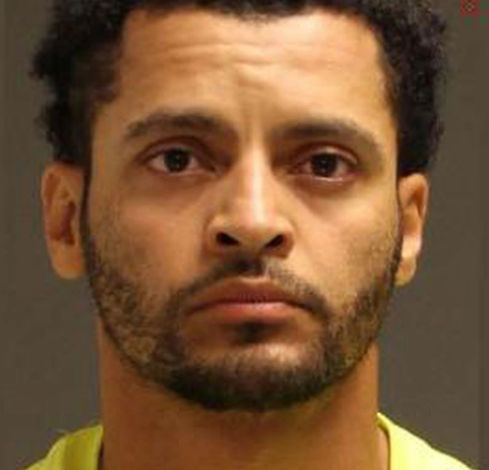
This is how Torres appears in the ABC article:

He looks a lot like Dante Edden, the suspect in my earlier post. I wonder if they’re related…
Is this part of a new trend? I don’t know, but if it is, I’d like to suggest a new euphemism for non-Asian minority criminals: Cuffs.
Edit (07/28/2020): Thanks to commenter Fromage, who brought another recent example to my attention. From New York Daily News:
An Atlanta woman has been charged with murdering her 3-month-old daughter in a car crash Monday.
Police said Titayanna Phillips, 21, intentionally drove her vehicle into a car carrying her daughter Khy’undra Henderson, the Atlanta Journal-Constitution reported.
Here is how Phillips’ image was presented in that story:

This is what she actually looks like:

Our enemies in the media are cunning. After they realize that we’re on to this trick, they give white suspects this treatment now and then as well – but not to the same degree as NAM suspects. How unfortunate that providers of “news” are more worried about deceiving us than simply telling the truth.